By
By 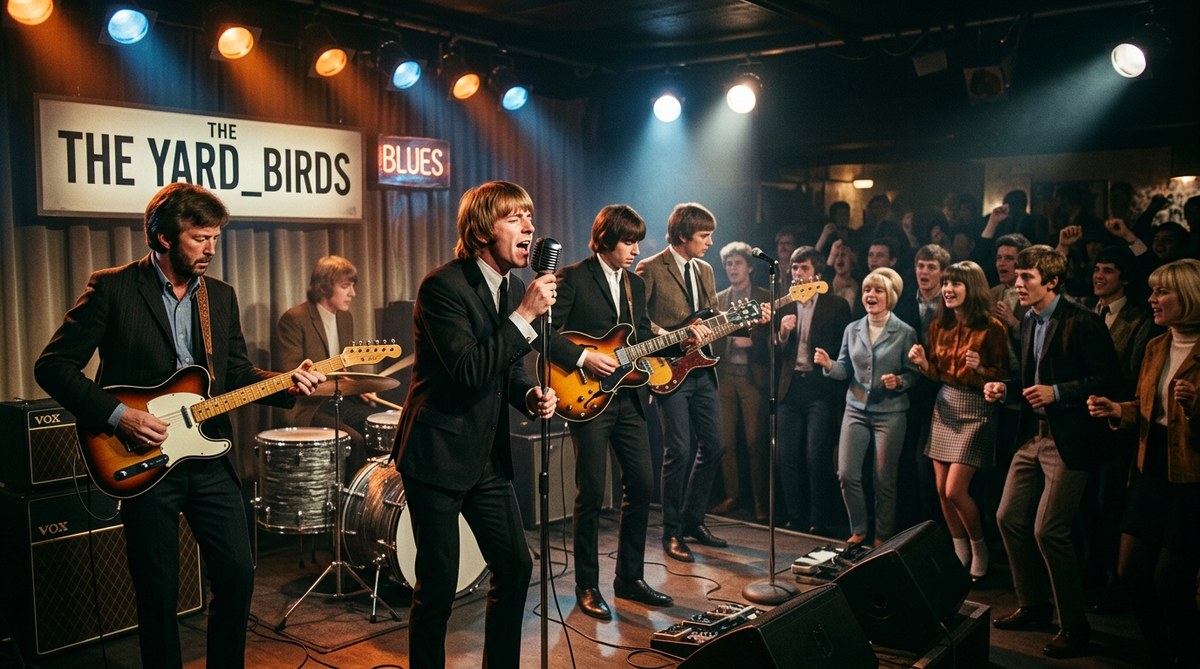
On the crowded club stages of early 1960s Britain, the roar of electric guitars and the raw emotion of American blues collided to produce a sound that would redefine rock. The Yardbirds stood at the crossroads, translating muddy alley blues into high voltage riffs that British fans could call their own. This is the story of how American blues traveled across the Atlantic, found a fearless conduit in The Yardbirds, and sparked a lineage that would power generations of guitar heroes, bands, and fans worldwide.
Quick Preview of What’s Inside
- How American blues became the backbone of British rock through The Yardbirds
- The three guitar eras of the band: Clapton, Beck, and Page
- The 1967 US tour as a milestone in cross Atlantic exchange
- The drums and bass lines that kept the swing of the blues alive
- The rise of official fan clubs and how fans keep the legacy humming
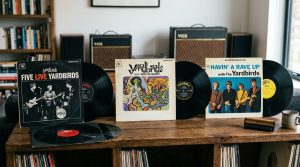
- Songs and albums that defined the sound and influence
The Roots of American Blues in Britain
The British Blues Boom
Britain in the early 1960s was hungry for rhythm and emotion. Across smoky clubs and BBC radio, young players and listeners discovered the raw power of American blues records. The Yardbirds did not simply imitate their American heroes they absorbed their soul and re forged it with a British energy. Their approach blended blues scales with the new energy of three chord rock and an eagerness to push the sound into new directions.
American Blues Masters Who Shaped Them
The Yardbirds drew inspiration from a slate of American blues and rhythm and blues giants. Their listening list often included:
– Muddy Waters and Howlin Wolf for tone and rhythm
– B B King for melodic phrasing and vocal control
– Sonny Boy Williamson and Elmore James for feel and slide
These influences showed up in their live sets and early recordings as they translated slow blues into fast running riffs and shimmering guitar lines.
The Yardbirds Step In
From the start the band treated blues not as a museum piece but as energy ready to burst into something louder and brighter. They would quickly move from tight blues numbers to more exploratory pieces. The result was a bridge between the pure blues of the United States and the evolving British rock scene. The Yardbirds became a proving ground for ideas about tone, feedback, and improvisation that would ripple across the era.
The US Bridge: The 1967 US Tour and the Cross Ocean Exchange
The US Tour as a Milestone
The Yardbirds touring the United States marked a powerful exchange between continents. For British fans, these shows were an eye opening confirmation that American blues could be re imagined through British technique and bold experimentation. For American audiences, the Yardbirds offered a new lens on songs they thought they knew, delivered with a British sense of urgency and virtuoso playing. The 1967 period, in particular, stands out as a moment when the English approach to the blues intersected with American expectations in a live setting.
Live Blues to Psychedelic Blues
On stage and in studio, the Yardbirds showed a talent for shifting textures from tight blues to sprawling psychedelic explorations. That flexibility laid the groundwork for later revolutions in rock guitar and arrangement. The audience response helped solidify a transatlantic appreciation for blues rooted rock and opened doors for future bands to explore similar roadmaps.
The Sound Through Its Three Guitar Eras
Eric Clapton — The Blues Purist
Eric Clapton’s stint with The Yardbirds established a template of blues fidelity married to a strong melodic sense. Clapton brought a clean yet emotional tone to the guitar that honored the traditional blues vocabulary while letting room for expressive bends and phrasing. The early Yardbirds recordings with Clapton lean toward blues influenced blues rock, with careful phrasing and a respect for the line between improvisation and the song’s structure. Clapton’s period in the Yardbirds is often remembered for its purity and a focus on feeling over flash.
Key takeaways from Clapton era:
– A deep respect for the blues tradition
– Solid, expressive guitar lines that anchored the band’s sound
– A stepping stone toward greater fame with later bands
Jeff Beck — The Experimentalist
When Jeff Beck joined The Yardbirds the band entered a new phase. Beck pushed the guitar toward new textures, using fuzz, tremolo, and feedback to generate sounds that still echo in modern guitar tones. His approach turned blues rock into a laboratory where tone and technique could race ahead of the melody. The result was a blend of aggressive energy and artful mischief that influenced countless players who sought to push distortion and resonance to new limits.
Highlights of Beck’s influence:
– Exploratory guitar textures that elevated the Yardbirds into the realm of the experimental
– A modern approach to rhythm and lead lines that would foreshadow psychedelic and hard rock
– A documented shift from traditional blues licks to a more sonic and expressive palette
Jimmy Page — The Hard Rock Architect
Jimmy Page joined The Yardbirds after Beck and brought a technical prowess that would define hard rock and the studio tested guitar sound. Page was a master of layered guitars, alternate tunings, and studio craft. His time with The Yardbirds helped pave the way for his later project that would redefine rock history. Page’s approach blended blues vocabulary with innovations in arrangement and guitar layering that would become a cornerstone of Led Zeppelin and beyond.
Pages influence shaped:
– A move toward heavier riff based rock with epic arrangements
– A focus on studio technique and guitar layering
– A lasting blueprint for high energy live performances and studio recordings
The Rhythm Section and The Bass Lines
Drumming with Jim McCarty
Jim McCarty anchored the Yardbirds with a dynamic for the groove rather than simple backbeat. His playing blended tight blues rhythms with swinging accents that kept songs moving through tempo changes and mid song improvisations. McCarty’s drumming was a part of the band’s larger exploration of time feel and energy.
The Bass Rangers: Samwell Smith and Dreja
The Yardbirds used two key bass players during their peak years. Paul Samwell Smith anchored many early projects while Chris Dreja stepped into bass duties as needed, bringing a complementary rhythm and melodic line to the mix. The bass lines in Yardbirds tracks often intertwined with guitar parts, creating a thick, driving bottom end that allowed guitar ideas to breathe and fly.
The Live Rhythm Engine
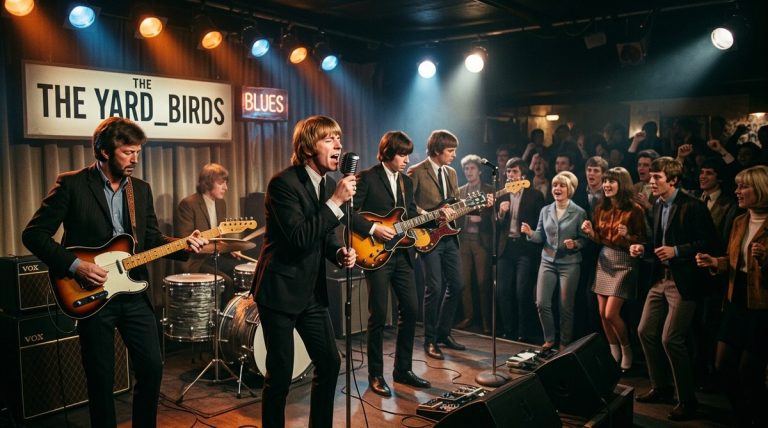
In the live setting the rhythm section was quick to adapt to the blues and the newer rock textures. The combination of McCarty’s swing and the bass lines provided a foundation that gave guitarists the space to experiment without losing the blues pulse.
Songs and Albums That Defined The Yardbirds Sound
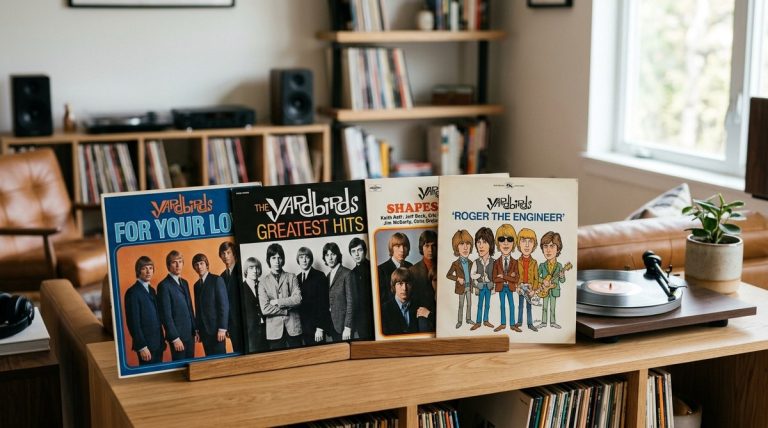
- For Your Love — A turning point that showed the band moving toward more melodic pop rock while retaining a blues core
- Heart Full of Soul — A prime example of the Beck era featuring beat oriented guitar hooks and an expansive midsection
- Shapes of Things — A psychedelic blues rock staple that demonstrates the shift toward heavier riffs and experimental textures
- Dazed and Confused — A song that later would be associated with Page and a different era, but its Yardbirds roots remain a marker of their exploratory approach
- Over Under Sideways Down — A high energy riff driven track that showcases a late 60s Yardbirds swagger
- Train Hire Blues and other live favorites — Tracks that highlight the raw live blues energy that inspired audiences
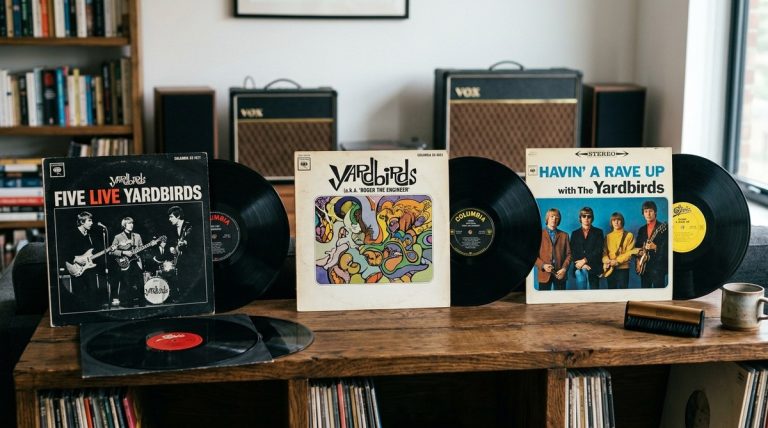
Albums that carry the Blues to British Rock include:
– The Yardbirds initially heavy blues roots recordings
– A transition into more complex arrangements during the Beck era
– The early studio work that would influence the development of hard rock and psychedelic rock
The Impact on British Sound and Global Music
The British Sound and Beyond
The Yardbirds helped lay the foundation for a distinctive British sound that evolved from blues to rock to hard rock and beyond. Their willingness to experiment with tempo, tone, and arrangement pushed a generation of British musicians to rethink what a guitar could do in a rock song. The band’s approach showed that blues meaningfully integrated with electric guitar, volume, and distortion could be an artistic statement as well as a dance floor favorite.
The Ripple Across Generations
From the late 1960s onward the Yardbirds influence can be traced through countless artists and bands that took the British blues blueprint into new territories. The approach encouraged a lineage of players who prioritized tone color, dynamic feel, and dream like guitar layers. In many ways their legacy is visible in the way modern guitarists approach blues rock and psychedelic rock with a sense of adventure.
The Global Footprint
The Yardbirds were a transatlantic bridge, a living example that a band from Britain could honor American blues while also expanding it into new sonic realms. Their influence helped turn blues into a language that rock musicians around the world could speak, improvise in, and reimagine in countless styles.
The Official Fan Clubs and Bass Lines
The Official Yardbirds Fan Club
Fan communities around the world have kept the Yardbirds’ flame alive. Official fan clubs have provided access to rare recordings, interviews, and live bootlegs, helping newer generations discover the band’s evolution. These clubs also connect collectors, historians, and casual listeners into a vibrant network of people who care about the band’s legacy.
Bass Lines and Transcriptions
Many fans and researchers enjoy transcribing the Yardbirds bass lines to understand how the rhythm section interacts with the lead guitar. These transcriptions reveal how the bass anchors the groove while still weaving melodic ideas that mirror or counterpoint the guitar parts. Bass line studies illuminate the way Samwell Smith and Dreja contributed to the Yardbirds signature sound.
How Fans Keep the Legacy Alive
- Regular updates from fan clubs with new discoveries and restored recordings
- Online sheets and tutorials for aspiring players
- Community forums sharing live performances and interpretations
- Dedicated playlists featuring classic Yardbirds tracks and deeper cuts
The Legacy in The Modern Era
The Yardbirds mystery and mastery continue to influence players today. If you listen to modern guitar based blues rock or hard rock, you will hear echoes of The Yardbirds in the way riffs are shaped, how tone is engineered, and the willingness to push boundaries. The band’s story is a reminder that blues can travel and be re imagined again and again while staying true to the heart of the music.
Why This Story Still Connects Today
- It highlights a cross cultural exchange that changed rock history
- It shows how three distinct guitar voices shaped an era and created a template for later legends
- It underscores the importance of live performance in shaping a band’s identity
- It celebrates fan culture that preserves a complex legacy across generations
Closing: A Call to Explore The Yardbirds Today
If you are new to The Yardbirds or revisiting them after decades, take a moment to listen with fresh ears. Start with the era that interests you most:
– Clapton era blues purity and traditional tones
– Beck era experimental textures and guitar synthesis
– Page era studio craft and hard rocking energy
Then dive into the live recordings that capture the band at its most alive. Read about the US tours and the cross Atlantic dialogue that made British rock what it is today. Explore the bass lines and drum parts that hold the songs together so the guitar can soar. And join the fan club communities that continue to celebrate the band’s unique blend of American blues energy and British rock imagination.
The Yardbirds introduced American blues to British rock fans in a way that turned a simple influence into a living, breathing movement. They not only borrowed the blues they reshaped it, and in that act of fearless reinvention they gave the world a blueprint for how to honor tradition while stepping into the unknown. Their story remains a beacon for fans who believe in the power of music to travel, transform, and endure.
 By
By 
 By
By