By
By 
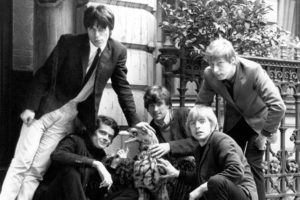
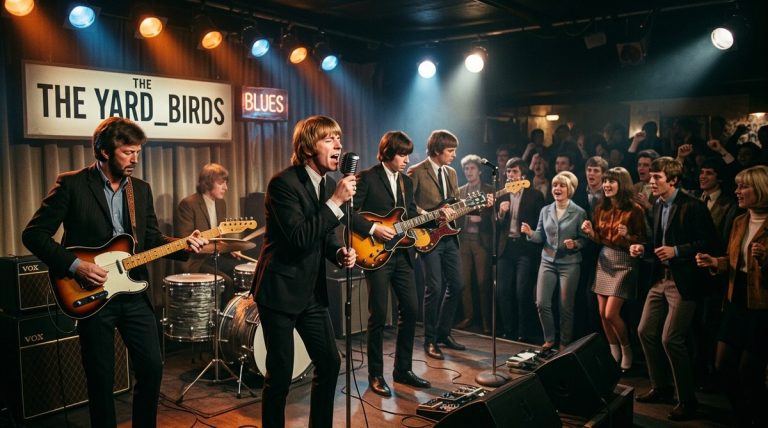
The Yardbirds never sounded tidy. That was the point. Their music felt alive because it shifted under your fingers. Chords bent. Shapes slid. Notes rang longer than expected. If you listen closely, the magic is not speed or volume. It is harmony that feels slightly off balance but is still grounded in blues roots. Learning to play like the Yardbirds means learning how they treated chords as moving parts rather than fixed blocks.
Many players start by copying riffs, but the real character comes from how chords are voiced and linked. The band treated the rhythm guitar as a lead instrument. Small changes in fingering changed the mood of a whole song. A modern chord finder helps reveal these shapes clearly. Instead of guessing finger positions, you can see how a chord is built and why it sounds tense or open.
The Yardbirds emerged from the London blues scene, but they never stayed there. They pushed traditional progressions into sharper shapes. Suspended chords replaced straight majors. Dominant tones lingered longer than expected. Learning these details trains your ear as much as your hands.
Why Yardbirds Chords Feel Different
At first glance, Yardbirds songs look simple on paper. Many follow classic blues forms. Twelve-bar patterns appear often. Yet the feeling is never basic. The difference lies in chord color and placement. Instead of full barre chords, players often used partial shapes. Two or three strings carried the harmony while the rest stayed muted.
This approach left space for bends and feedback. It also made the rhythm more elastic. Chords did not lock the song down. They breathed with the drummer and bass. That looseness is a big part of why the music still feels urgent decades later.
Understanding this helps explain why copying tabs can feel flat. Tabs show where fingers go but not why a chord was chosen. Thinking in chord functions rather than fixed grips brings you closer to the original sound.
Three Guitarists, One Evolving Language
The Yardbirds changed lead guitarists, but the chord language kept growing. Each player brought new colors. Eric Clapton leaned heavily on blues shapes. Jeff Beck stretched chords into noisy textures. Jimmy Page layered voicings that hinted at what came next.
To understand how these approaches connect, it helps to read about guitar legends who passed through the band. Their shared foundation makes the differences clearer. Each used similar chord frameworks but bent them in personal ways.
This is important for players today. You do not need to copy one guitarist perfectly. You can treat the Yardbirds style as a toolkit. Choose elements that fit your own hands and ears.
Numbered Ideas to Practice the Sound
These ideas work best when practiced slowly. Speed comes later. Focus on tone and movement first.
- Use partial chords on the top four strings. Let the low strings rest silent. This keeps the sound sharp and flexible.
- Add suspended notes. Swap the third for a second or fourth and listen to the tension. Hold it longer than feels comfortable.
- Move chord shapes up the neck without changing fingering. The pitch shift creates drama without complex theory.
Each of these ideas appears across Yardbirds recordings. They are simple but powerful when combined.
Chord Shapes That Defined an Era
Certain shapes appear again and again in Yardbirds songs. Dominant seventh chords sit at the center. They sound unresolved and restless. That fits the band’s energy. Add a suspended fourth, and the chord feels even more unstable.
Power chords appear, too, but often with extra notes added. A flat seventh or ninth sneaks in. This small change separates the sound from later hard rock styles. The harmony feels blues-based rather than aggressive.
Exploring these shapes with a tool helps you see patterns. You start noticing how small intervals shape the mood. That awareness carries into your own writing.
A Short List of Common Yardbirds Chord Colors
- Dominant seventh chords with muted bass strings
- Suspended second and fourth shapes
- Sliding double stops
- Open string drones against fretted notes
- Minor chords with added ninths
This list is not exhaustive. It is a starting point. Spend time with each sound. Let your ear guide the next step.
How Rhythm Guitar Carried the Songs
In many Yardbirds tracks, rhythm guitar does more than keep time. It pushes the song forward. Chords land slightly ahead or behind the beat. This creates tension with the drums. The groove feels alive rather than locked.
This approach connects closely to how the band handled rhythm overall. Their sense of pulse shifted as their sound evolved, with rhythm choices shaping how chords sat inside each song and interacted with the groove.
For players, this means practicing with feel rather than a strict grid. Record yourself. Listen back. Notice where chords lean forward or relax.
Using Modern Tools Without Losing Feel
Technology helps learning, but it should not replace listening. A chord tool shows structure. Your ear decides whether it works. Use visual aids to confirm ideas, not to replace exploration.
Try this exercise. Find a Yardbirds song you love. Identify one chord that stands out. Use a reference tool to break it down. Then play it in three different positions. Notice how the color shifts.
This balance between analysis and play mirrors how the band worked. They experimented first. Theory followed later.
Chord Movement Over Static Shapes
One reason Yardbirds’ music feels restless is the constant movement. Chords rarely stay put. Slides, hammer-ons, and pull-offs turn static shapes into phrases. The guitar almost sings.
Practicing movement means thinking horizontally across the neck. Do not sit on one fret. Let chords travel. Even small shifts matter.
This mindset changes how you approach songwriting, too. Progressions become journeys rather than loops.
Table of Chord Types and Their Feel
| Chord Type | Emotional Feel | Typical Use |
|---|---|---|
| Dominant 7th | Tense and gritty | Main rhythm parts |
| Suspended | Unresolved | Build ups |
| Minor add9 | Moody | Verse textures |
Learning by Listening First
Before grabbing the guitar, listen deeply. Focus on the rhythm guitar, not just the solo. Notice where chords enter and leave. Count how long tension stays unresolved.
This habit sharpens your instincts. It also helps avoid copying surface details while missing the core feel.
For historical context on how rock harmony grew from blues roots, the Rock and Roll Hall of Fame offers valuable background. Understanding that lineage makes the Yardbirds sound even more intentional.
Quick Summary
Yardbirds’ style of guitar relies on partial chords, movement, and tension. Learning the shapes is only half the work. Feeling how they breathe completes the sound.
Let the Chords Lead Your Hands
Playing like the Yardbirds is less about copying and more about attitude. Let chords guide your phrasing. Accept rough edges. Allow space for surprise.
As you practice, notice which shapes pull you forward. Those are the ones worth keeping. Over time, they become part of your own voice.
The Yardbirds did not chase perfection. They chased energy. That choice still speaks to players today.
 By
By